
Finding yourself locked out of your home, car, or business is stressful enough without having to worry about whether the locksmith you call is trustworthy and qualified. In Sayville, NY, homeowners and business owners have numerous locksmith options, but not all services are created equal. Choosing the right locksmith can mean the difference between a quick, professional solution and a costly nightmare involving damaged locks, overpriced services, or even security risks.
Whether you need emergency lockout assistance, want to upgrade your home security, or require commercial lock installation, understanding how to evaluate and select a reputable locksmith is crucial. This comprehensive guide will walk you through everything you need to know about choosing the best locksmith in Sayville, ensuring you receive quality service from certified professionals who have your best interests—and your security—at heart.
Why Choosing the Right Locksmith Matters
Your locks are the first line of defense protecting your family, valuables, and business assets. Entrusting someone with access to your security systems isn't a decision to take lightly. A qualified locksmith does more than just cut keys or pick locks—they're security professionals who understand the latest technology, local building codes, and best practices for protecting your property.
Unfortunately, the locksmith industry has its share of scammers and unqualified operators. These fraudulent services often advertise unrealistically low prices, only to hit customers with excessive fees once on-site. Some may even damage your locks intentionally to justify replacement costs. Others lack proper training and could compromise your security system while attempting repairs.
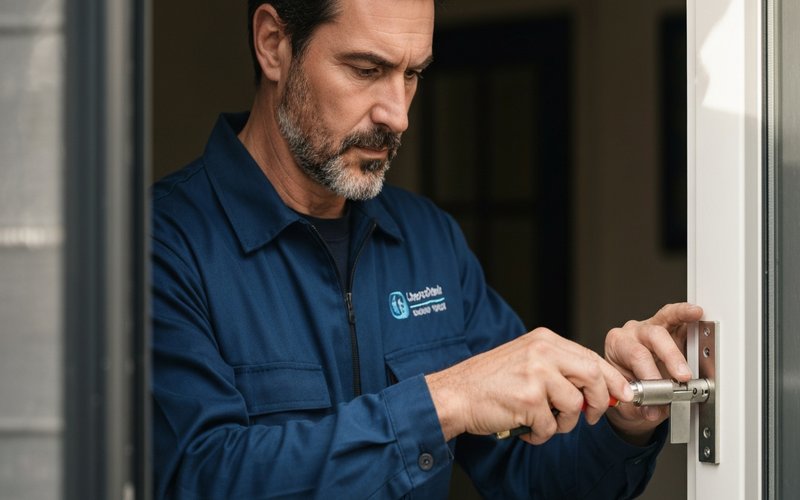
Choosing a reputable, established locksmith in Sayville protects you from these risks while ensuring you receive expert service that truly secures your property. The right locksmith becomes a trusted partner you can rely on for years to come, whether for emergency situations or planned security upgrades.
Essential Qualities of a Reputable Locksmith
Proper Licensing and Insurance
In New York State, locksmiths must comply with specific regulations. A legitimate locksmith should carry proper business licensing and insurance coverage. This protects you in case of accidental damage to your property during service. Don't hesitate to ask for proof of insurance before allowing any work to begin.
Insurance coverage should include both liability and workers' compensation. Liability insurance protects your property if something goes wrong during the service, while workers' compensation ensures you won't be held responsible if a technician is injured on your property.
Certified and Trained Professionals
Locksmithing requires specialized knowledge and skills that come from proper training and certification. Look for locksmiths who have completed recognized training programs and hold certifications from organizations like the Associated Locksmiths of America (ALOA).
Certified locksmiths stay current with the latest security technology, from traditional pin-and-tumbler locks to advanced electronic access control systems. They understand the nuances of different lock types, manufacturers, and security levels, allowing them to recommend the best solutions for your specific needs.
Established Local Presence
A locksmith with a physical location in Sayville or the surrounding area demonstrates commitment to the community. Businesses with actual storefronts and local addresses are more accountable than fly-by-night operations using only P.O. boxes or virtual offices.
Look for locksmiths who have been serving the Sayville area for several years. An established history in the community indicates reliability and quality service. Local locksmiths also better understand the specific security challenges and needs of Suffolk County residents.
Transparent Pricing with No Hidden Fees
Reputable locksmiths provide clear, upfront pricing before beginning any work. They should offer detailed estimates that include all potential charges: service call fees, labor costs, parts, and any additional expenses.
Beware of locksmiths who give vague price ranges or refuse to provide estimates over the phone. While exact pricing may depend on the specific situation once assessed, honest locksmiths can provide reasonable estimates based on your description of the problem.
How to Know If a Locksmith Is Reputable
Check Online Reviews and Testimonials
In today's digital age, online reviews offer valuable insights into a locksmith's reputation. Check multiple platforms including Google Reviews, Yelp, Facebook, and the Better Business Bureau. Look for patterns in the feedback rather than focusing on individual reviews.
Pay attention to how the business responds to negative reviews. Professional locksmiths address complaints constructively and work to resolve issues. A complete absence of reviews or only generic positive feedback could be a red flag.
Verify Their Physical Address
Scam locksmiths often use fake addresses or list locations that don't actually exist. Before hiring a locksmith, verify their physical address. You can drive by the location, use Google Street View, or call to confirm they operate from the stated address.
A legitimate locksmith like Main St Locksmith at 10 Main St, Sayville, NY 11782, will have a verifiable business location where customers can visit if needed.
Ask for Identification
When a locksmith arrives at your property, always ask to see identification before allowing them to begin work. Professional locksmiths arrive in marked vehicles and wear uniforms or identification badges. They should be able to provide business cards with the company name, address, and phone number matching what you called.
If the locksmith arrives in an unmarked vehicle or refuses to provide identification, don't proceed with the service. This is a major warning sign of a potential scam.
Confirm the Business Name
Some scam operations use multiple business names or generic names that don't match their advertising. When you call, confirm the specific business name. When the technician arrives, verify that their vehicle, uniform, and paperwork all display the same business name you contacted.
Request a Detailed Written Estimate
Before any work begins, ask for a written estimate that itemizes all costs. This should include the service call fee, labor charges, cost of parts or new locks, and any other potential expenses. Having everything in writing protects you from surprise charges later.
If the locksmith discovers additional issues once they begin work, they should explain the new problems and provide updated pricing before proceeding.
Questions to Ask Before Hiring a Locksmith
What Are Your Credentials and Certifications?
Ask about the locksmith's training, certifications, and years of experience. Professional locksmiths are proud of their credentials and happy to discuss their qualifications. Inquire about specific training related to your needs, whether it's automotive locksmithing, electronic security systems, or commercial access control.
Are You Licensed and Insured?
Always confirm that the locksmith carries proper licensing and insurance. Ask for proof and verify the information if necessary. This simple question can help you avoid unqualified or fraudulent operators.
What Is Your Pricing Structure?
Get specific information about how they charge for services. Ask about:
- Service call or trip charges
- Hourly labor rates versus flat fees
- Cost of common parts and materials
- Additional fees for after-hours or emergency service
- Payment methods accepted
How Quickly Can You Respond?
For emergency situations, response time matters. Ask about their typical response time for emergency calls in Sayville. Legitimate locksmiths can usually provide realistic timeframes based on current demand and your location.
What Warranties Do You Offer?
Professional locksmiths stand behind their work with warranties on both labor and parts. Ask about warranty coverage for the specific service you need. Quality locksmiths typically offer at least 90 days to one year warranties on their work.
Understanding Locksmith Services and Pricing
Residential Locksmith Services
Residential locksmiths handle all aspects of home security, including:
- Lockout Services: Emergency entry when you're locked out of your home
- Lock Rekeying: Changing the internal pins so old keys no longer work
- Lock Replacement: Installing new locks for enhanced security or after a break-in
- Key Duplication: Creating copies of existing keys
- Deadbolt Installation: Adding or upgrading deadbolts for improved security
- Smart Lock Installation: Setting up electronic and Wi-Fi-enabled locking systems
- Master Key Systems: Creating key hierarchies for multi-unit properties
- Security Assessments: Evaluating your home's security vulnerabilities
Commercial Locksmith Solutions
Businesses require specialized security solutions that differ from residential needs. Commercial locksmith services include:
- Access Control Systems: Electronic systems managing who can enter specific areas
- High-Security Locks: Advanced commercial-grade locking mechanisms
- Panic Bars and Exit Devices: Emergency exit hardware complying with fire codes
- Master Key Systems: Complex key hierarchies for business facilities
- Safe Sales and Service: Commercial safes for protecting valuable assets
- Lock Repair and Maintenance: Keeping high-traffic locks functioning properly
- Security Audits: Comprehensive assessments of business security systems
Automotive Locksmith Services
Modern vehicles require specialized knowledge and equipment. Automotive locksmiths provide:
- Car Lockout Service: Regaining access to locked vehicles without damage
- Key Cutting and Programming: Creating new keys, including transponder chips
- Ignition Repair and Replacement: Fixing or replacing faulty ignition cylinders
- Key Fob Programming: Programming electronic key fobs and remotes
- Broken Key Extraction: Removing keys broken off in locks or ignitions
- Duplicate Car Keys: Creating spare keys for emergencies
How Much Does a Locksmith Cost in Sayville, NY?
Locksmith pricing varies based on the service type, time of day, and complexity of the job. Here are typical price ranges for common services in the Sayville area:
Emergency Lockout Services: $75-$200, depending on the time of day and lock complexity. After-hours and weekend calls typically cost more.
Lock Rekeying: $20-$50 per lock, with discounts often available when rekeying multiple locks.
Lock Replacement: $100-$300 depending on lock quality and type. High-security locks cost more than standard residential locks.
Key Duplication: $2-$10 for standard keys, $50-$200 for transponder car keys requiring programming.
Smart Lock Installation: $200-$500 including the lock and professional installation.
Remember that the cheapest option isn't always the best value. Quality locks and professional installation provide better long-term security and reliability.
Is It Cheaper to Go to a Locksmith or Dealer?
For automotive services, this is a common question. In most cases, independent locksmiths offer significantly better value than car dealerships for key-related services.
Dealership Advantages:
- Factory-authorized parts and service
- Guaranteed compatibility with your specific vehicle
- May be covered under warranty for new vehicles
- Typically 30-50% lower costs than dealerships
- Faster service with mobile options
- No need to tow your vehicle
- Evening and weekend availability
- Expertise across all vehicle makes and models
Lock Replacement vs. Rekeying: Which Is Right for You?
Understanding the difference between these services helps you make cost-effective decisions.
When to Rekey Locks
Rekeying changes the internal pins of your existing locks so old keys no longer work. Choose rekeying when:
- You've moved into a new home or apartment
- You've lost keys or had them stolen
- You want to eliminate access for former residents, employees, or service workers
- Your locks are in good condition but you want new keys
- You want all your locks to work with a single key
When to Replace Locks
Complete lock replacement is necessary when:
- Locks are damaged, worn, or malfunctioning
- You want to upgrade to higher security locks
- Current locks don't meet your security requirements
- You're installing smart locks or electronic access control
- Locks are outdated or don't match your home's aesthetic
- You've experienced a break-in or attempted break-in
What Door Locks Do Police Recommend?
Law enforcement professionals consistently recommend specific lock types and security practices:
Deadbolts Are Essential
Police universally recommend deadbolts on all exterior doors. Specifically:
- Grade 1 Deadbolts: The highest security rating, providing maximum resistance to forced entry
- Minimum 1-inch Throw: The bolt should extend at least one inch into the door frame
- Hardened Steel Construction: Prevents cutting or sawing through the bolt
- Anti-Saw Pins: Additional protection against tampering
Strike Plate Reinforcement
Even the best deadbolt is useless with a weak strike plate. Police recommend:
- Heavy-duty strike plates with at least a 3-inch screw
- Screws that penetrate deep into the wall stud, not just the door frame
- Box strike plates that completely enclose the bolt
Smart Locks with Physical Backup
Modern smart locks offer convenience and enhanced security features like entry logs and remote access. However, police recommend ensuring smart locks also have physical key backups in case of electronic failure or dead batteries.
Additional Security Measures
Beyond locks, law enforcement recommends:
- Peephole or doorbell camera for visitor identification
- Adequate exterior lighting
- Reinforced door frames
- Security film on windows near door locks
- Sliding door security bars
Red Flags: Warning Signs of Locksmith Scams
Protect yourself by watching for these common scam indicators:
No Physical Address
If the locksmith only provides a phone number or P.O. box, be cautious. Legitimate businesses have verifiable physical locations.
Prices Too Good to Be True
Advertising $15-$20 emergency lockout service is often a bait-and-switch tactic. Once on-site, scammers claim the job is more complicated and charge hundreds of dollars.
Generic Company Names
Names like "A1 Locksmith" or "24-Hour Locksmith" without specific location identifiers could indicate a national call center that dispatches untrained subcontractors.
Arriving in Unmarked Vehicles
Professional locksmiths use company vehicles with clear branding. Technicians arriving in personal vehicles without identification should raise concerns.
Immediately Recommending Drilling
While sometimes necessary, drilling locks should be a last resort. Scammers often drill unnecessarily to justify expensive lock replacements.
Demanding Cash Payment
While many locksmiths accept cash, refusing to accept credit cards or checks could indicate an unlicensed operation avoiding paper trails.
Vague or Changing Estimates
If the price keeps increasing without clear explanation, or the locksmith refuses to provide written estimates, end the transaction.
Building a Relationship with Your Locksmith
Once you find a trustworthy locksmith, maintain that relationship for future needs:
Save Their Contact Information
Store your locksmith's number in your phone and write it down in a secure location. During emergencies, you won't want to research options while locked out.
Schedule Preventive Maintenance
Have your locks inspected and serv