
Living in Sayville, NY means experiencing the full spectrum of seasons—from humid summers along the Great South Bay to freezing winter temperatures that can wreak havoc on your home's security hardware. Just like you winterize your pipes or prepare your air conditioning for summer, your locks and security systems need seasonal attention too. Regular locksmith maintenance not only extends the life of your locks but also prevents those frustrating moments when you're locked out in extreme weather. At Main St Locksmith, located right here at 10 Main St, Sayville, NY 11782, we've seen firsthand how a little preventive care can save homeowners from costly emergency calls and security vulnerabilities.
Why Seasonal Locksmith Maintenance Matters
Many homeowners overlook their locks until something goes wrong, but these essential security components face constant stress from weather changes, daily use, and environmental factors. In Sayville's coastal climate, the salt air from the bay can accelerate corrosion, while temperature fluctuations cause metal components to expand and contract. This natural wear and tear can compromise your home's security when you least expect it.
Regular maintenance helps identify potential problems before they become emergencies. A sticky lock in October might seem like a minor annoyance, but by January, that same lock could freeze completely, leaving you stranded outside in subfreezing temperatures. Professional locksmith maintenance catches these issues early, saving you money and frustration in the long run.
Additionally, well-maintained locks function more smoothly, requiring less force to operate. This gentler operation actually extends the lifespan of both your keys and locks, delaying the need for costly replacements. Insurance companies also look favorably on homes with maintained security systems, and proper lock maintenance demonstrates your commitment to home security.
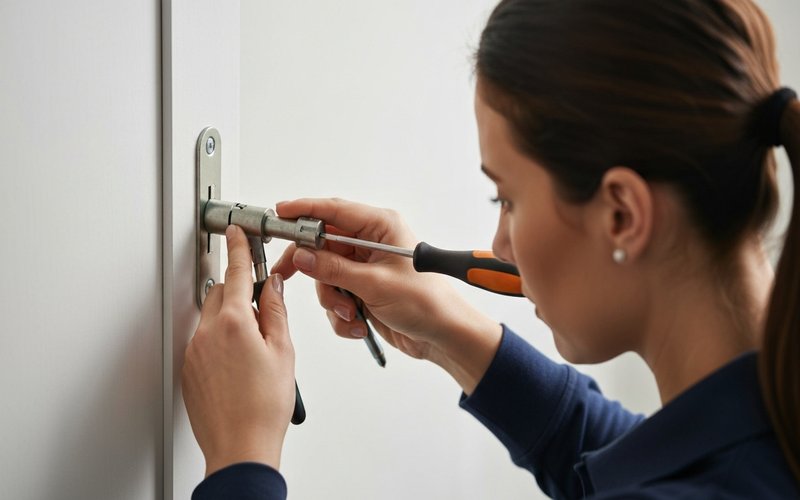
Spring Locksmith Maintenance Checklist
Spring represents the perfect time for a comprehensive lock inspection after winter's harsh conditions. The freeze-thaw cycles common in Sayville can leave moisture trapped in lock mechanisms, leading to rust and corrosion as temperatures warm up.
Start by inspecting all exterior locks for signs of winter damage. Look for rust spots, loose screws, or any visible corrosion around deadbolts and door handles. The salt air in our coastal community can accelerate this process, especially on locks facing prevailing winds from the bay.
Clean all locks thoroughly using a soft brush to remove accumulated dirt, pollen, and debris. Spring in Sayville brings beautiful blooming trees but also plenty of airborne particles that can gum up lock mechanisms. A can of compressed air works wonders for blowing out particles from keyways and crevices.
Lubricate your locks with a graphite-based lubricant or specialized lock lubricant—never use WD-40 or oil-based products, as these attract dirt and can actually make problems worse over time. Apply lubricant sparingly to key cylinders, deadbolts, and any moving parts.
Check your door alignment, as settling foundations and weather changes can cause doors to shift. A misaligned door puts extra stress on locks, causing premature wear. If you notice your door sticking or requiring extra force to lock, it's time for an adjustment.
Test all spare keys to ensure they still work smoothly. Keys that show signs of wear—including bent edges, worn teeth, or difficulty turning—should be replaced before they break off inside your lock.
Summer Locksmith Maintenance Tips
Sayville summers bring heat, humidity, and increased activity around your home. This season presents unique challenges for your locks and security hardware.
Humidity can cause wooden doors to swell, affecting lock alignment. Monitor how your doors close throughout the summer months, and make adjustments as needed. A lock that requires forcing can damage internal mechanisms and weaken your door frame.
If you're planning a vacation, this is the ideal time to upgrade or inspect your security. Check that all window locks function properly, test your deadbolts, and consider installing smart locks that allow you to monitor your home remotely. Main St Locksmith can assess your current security setup and recommend improvements for peace of mind while you're away.
Summer also means more people coming and going—house guests, contractors, landscapers, and service providers. Consider rekeying your locks after giving out temporary keys or if you've had multiple service people with access to your property. This simple step ensures you maintain control over who can enter your home.
Inspect garage door locks and automatic opener systems, as these often see increased use during summer months. Lubricate hinges, check remote batteries, and test safety features to ensure everything operates smoothly.
Fall Locksmith Preparation
Fall serves as your last opportunity to prepare locks for winter's challenges. Taking time now prevents emergency calls during the holiday season or in freezing conditions.
Conduct a thorough inspection of all weatherstripping around doors. Damaged or worn weatherstripping allows moisture to reach locks, leading to freezing problems in winter. Replace any compromised weatherstripping before temperatures drop.
Test all locks while thinking about winter scenarios. Can you easily lock and unlock doors while wearing gloves? If not, consider upgrading to locks with larger, easier-to-grip handles. This practical consideration makes a huge difference during Sayville's coldest months.
Clean and lubricate locks one final time before winter. Apply a light coat of graphite lubricant to all exterior locks, paying special attention to deadbolts and any locks that showed stiffness during the previous winter.
Check the batteries in electronic locks and keypad systems. Cold weather drains batteries faster, and the last thing you want is a dead smart lock battery during a January cold snap. Replace batteries preemptively if they're more than six months old.
Inspect outdoor security lighting and motion sensors. Shorter days mean these systems work harder, and proper illumination deters potential intruders while making it easier to use your locks safely.
Winter Lock Protection Strategies
Winter presents the greatest challenge for locks in Sayville. Freezing temperatures, ice, and snow can turn a functioning lock into a frustrating obstacle.
Never pour hot water on a frozen lock—the rapid temperature change can damage internal components, and the water will simply refreeze, making the problem worse. Instead, use a lock de-icer spray or carefully heat your key with a lighter before inserting it into the frozen lock.
Keep locks clear of ice and snow accumulation. After shoveling, take an extra moment to brush snow away from door locks and ensure drainage paths direct water away from doorways. Standing water that freezes creates persistent lock problems.
Consider installing lock covers on exposed exterior locks. These inexpensive plastic or metal covers shield locks from direct exposure to precipitation while still allowing easy access when needed.
Maintain indoor humidity levels between 30-50% to prevent condensation from forming on metal components. Excessive indoor humidity can cause moisture to freeze inside locks when temperatures drop.
Keep de-icing supplies readily accessible near all entrances. A small bottle of lock de-icer in your car, purse, or pocket can save you from a lockout emergency on a freezing day.
What Maintenance Does a Locksmith Do?
Professional locksmith maintenance goes beyond what most homeowners can accomplish on their own. At Main St Locksmith, our maintenance services include precision cleaning of internal lock components, adjustment of strike plates and door hardware, and identification of wear patterns that indicate future problems.
We disassemble locks to clean internal pins and springs, removing accumulated debris that causes sticking or failure. We also check for proper key fit, ensuring your keys engage correctly with lock cylinders without excessive play or binding.
Our technicians inspect security hardware for signs of tampering or forced entry attempts, test deadbolt throw distances to ensure proper engagement, and verify that all screws and mounting hardware remain secure. We also assess whether your current locks meet modern security standards or if upgrades would better protect your home.
Professional maintenance typically includes rekeying services when needed, master key system adjustments for multi-unit properties, and recommendations for security improvements based on your specific situation and neighborhood security considerations.
Common Lock Problems and Solutions
Understanding common lock issues helps you identify when professional help is needed versus when simple maintenance solves the problem.
Sticky or difficult-to-turn locks usually indicate dirt accumulation or lack of lubrication. Clean the keyway and apply graphite lubricant. If the problem persists, internal components may be worn and require professional attention.
Keys that stick or are hard to remove often result from worn key teeth or damaged lock pins. Have a locksmith examine both the key and lock to determine which component needs replacement.
Loose doorknobs or handles compromise security and indicate worn mounting screws or stripped screw holes. Tightening screws may provide a temporary fix, but professional repair ensures long-term stability.
Deadbolts that don't fully extend suggest door misalignment or strike plate problems. This serious security issue requires immediate attention, as a partially engaged deadbolt provides minimal protection against forced entry.
Locks That Require Special Attention
Certain locks need more frequent maintenance due to exposure or usage patterns. Mailbox locks, for instance, face constant weather exposure without the protection of an overhang. These locks benefit from monthly lubrication and seasonal deep cleaning.
Garage door locks experience significant stress from vibration and frequent operation. Inspect these locks quarterly, tightening hardware and ensuring smooth operation.
Smart locks and electronic systems require battery changes, software updates, and periodic testing of backup mechanical keys. Don't rely solely on electronic features—always verify that manual override options function properly.
High-security locks with complex internal mechanisms benefit from annual professional maintenance. These expensive locks protect your most valuable assets, making professional care a worthwhile investment.
When to Call a Professional Locksmith
While basic maintenance falls within most homeowners' capabilities, certain situations require professional expertise. Call Main St Locksmith if you notice any of these warning signs:
- Keys breaking off inside locks
- Locks that suddenly become difficult to operate
- Visible damage to lock cylinders or hardware
- Doors that won't close or latch properly
- Evidence of attempted forced entry or tampering
- Locks that freeze repeatedly despite preventive measures
- Lost keys requiring rekeying for security
- Desire to upgrade to higher-security locks
Cost-Effective Maintenance Strategies
Maintaining your locks doesn't require expensive equipment or significant time investment. A few simple practices provide excellent returns:
Create a seasonal maintenance schedule and stick to it. Consistent attention prevents small problems from becoming major expenses. Mark your calendar for spring cleaning, summer security checks, fall winterization, and winter monitoring.
Invest in quality lubricants and cleaning supplies. A $10 bottle of graphite lubricant lasts for years and prevents countless headaches. Keep these supplies accessible so you actually use them.
Address problems promptly rather than waiting. A sticky lock that receives immediate attention might need only cleaning and lubrication, while ignoring the same issue could lead to complete lock replacement.
Consider a professional maintenance contract for commercial properties or homes with extensive security systems. Regular professional inspections catch problems early and often cost less than emergency service calls.
Improving Home Security Beyond Maintenance
While maintaining existing locks is crucial, sometimes upgrading provides better security and easier maintenance. Modern locks offer features that weren't available even a few years ago.
Smart locks eliminate many traditional maintenance concerns while adding convenience and security features. These systems allow remote access monitoring, temporary code generation for service providers, and automatic locking features that ensure your home stays secure.
High-security locks with pick-resistant cylinders and drill-resistant construction provide superior protection while requiring minimal maintenance. These locks represent a worthwhile investment for Sayville homeowners concerned about security.
Deadbolt upgrades to Grade 1 security ratings significantly improve protection against forced entry. If your current deadbolts are old or show signs of wear, replacement with modern high-security options makes sense.
Frequently Asked Questions
How much should I tip a locksmith? Tipping isn't expected for standard locksmith services, as you're paying for professional expertise. However, if a locksmith provides exceptional service, helps during an emergency, or goes above and beyond normal duties, a tip of $10-$20 is appreciated though entirely optional.
What locks can locksmiths not open? Professional locksmiths can open virtually all standard residential and commercial locks. However, some high-security locks with proprietary designs, severely damaged locks, or certain antique locks may require drilling or replacement rather than picking. Main St Locksmith has the expertise and tools to handle even challenging situations.
Is it cheaper to go to a locksmith or dealer? Locksmiths almost always provide more affordable service than car dealerships or door manufacturers. We offer key duplication, rekeying, and lock repair at a fraction of dealer costs, often with same-day service and more personalized attention.
Which keys cannot be copied? Patented high-security keys, keys marked "Do Not Duplicate" (when proper authorization isn't provided), and certain restricted keyways require authorization for duplication. However, many "Do Not Duplicate" markings aren't legally binding—professional locksmiths verify authorization before duplicating restricted keys.
Protecting Your Sayville Home Year-Round
Your home's security depends on properly functioning locks and hardware. Seasonal maintenance ensures these critical components perform reliably regardless of weather conditions or time of year.
Sayville's unique coastal environment, with salt air, humidity, and temperature extremes, demands extra attention to lock maintenance. The small investment of time and effort required for regular maintenance pays dividends in security, convenience, and cost savings.
Don't wait for a lock failure or security breach to think about your locks. Establish a seasonal maintenance routine, address problems promptly, and consult with professionals when situations exceed DIY capabilities.
Your Local Locksmith Partner
At Main St Locksmith, we're proud to serve Sayville and surrounding communities with expert locksmith services and honest advice. Located at 10 Main St, Sayville, NY 11782, we understand the unique challenges local homeowners face and provide solutions tailored to our coastal environment.
Whether you need emergency lockout service, routine maintenance, security upgrades, or simply advice about protecting your home, our experienced team is here to help. We combine traditional locksmith expertise with modern technology to deliver the best possible service to our neighbors in Sayville.
Take control of your home security with proper seasonal maintenance, and know that professional help is always just a phone call away. Contact Main St Locksmith today to schedule a comprehensive security assessment or to discuss your locksmith maintenance needs. Your home's security is our priority, and we're committed to keeping Sayville families safe and secure throughout every season.